
 01
01DISCIPLINE
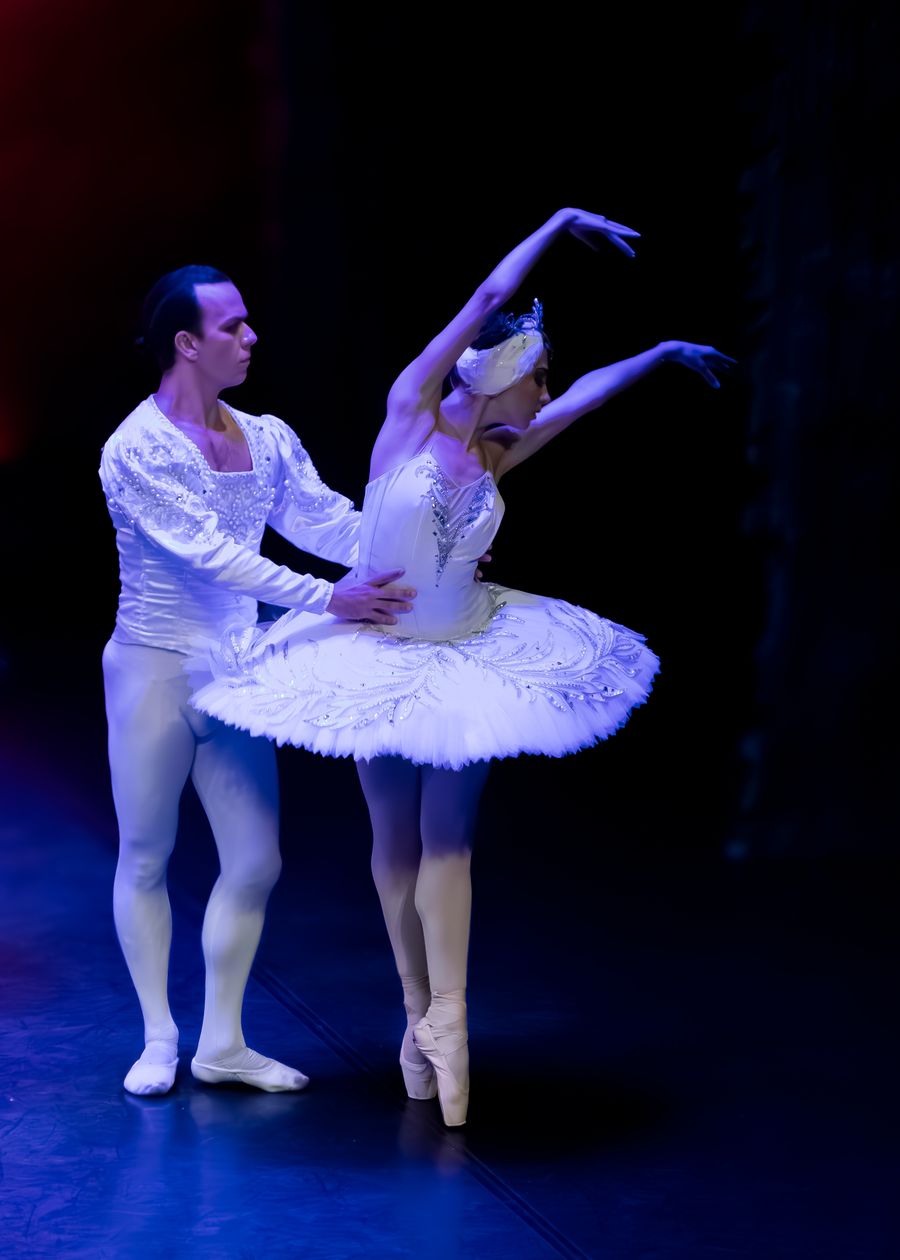
Ballet
An artistic dance form built on precise technique, positions and expressive movement, examined from first grades through to Advanced Foundation and professional teaching level.
Classical technique · Musicality · Performance
Explore the breadth of dance within the NCDTA, then discover the structured examinations and professional pathways that help dancers and teachers progress.
NCDTA covers a broad spectrum of dance — from established Ballroom and Classical traditions to Freestyle, Street, Performing Arts and theatre disciplines.
Whether you dance for enjoyment, performance, competition or a future teaching career, there is a route to develop your skills and have your progress recognised.
Explore the full range of disciplines represented by the NCDTA, brought together in one clear and visual guide.
01An artistic dance form built on precise technique, positions and expressive movement, examined from first grades through to Advanced Foundation and professional teaching level.
Classical technique · Musicality · Performance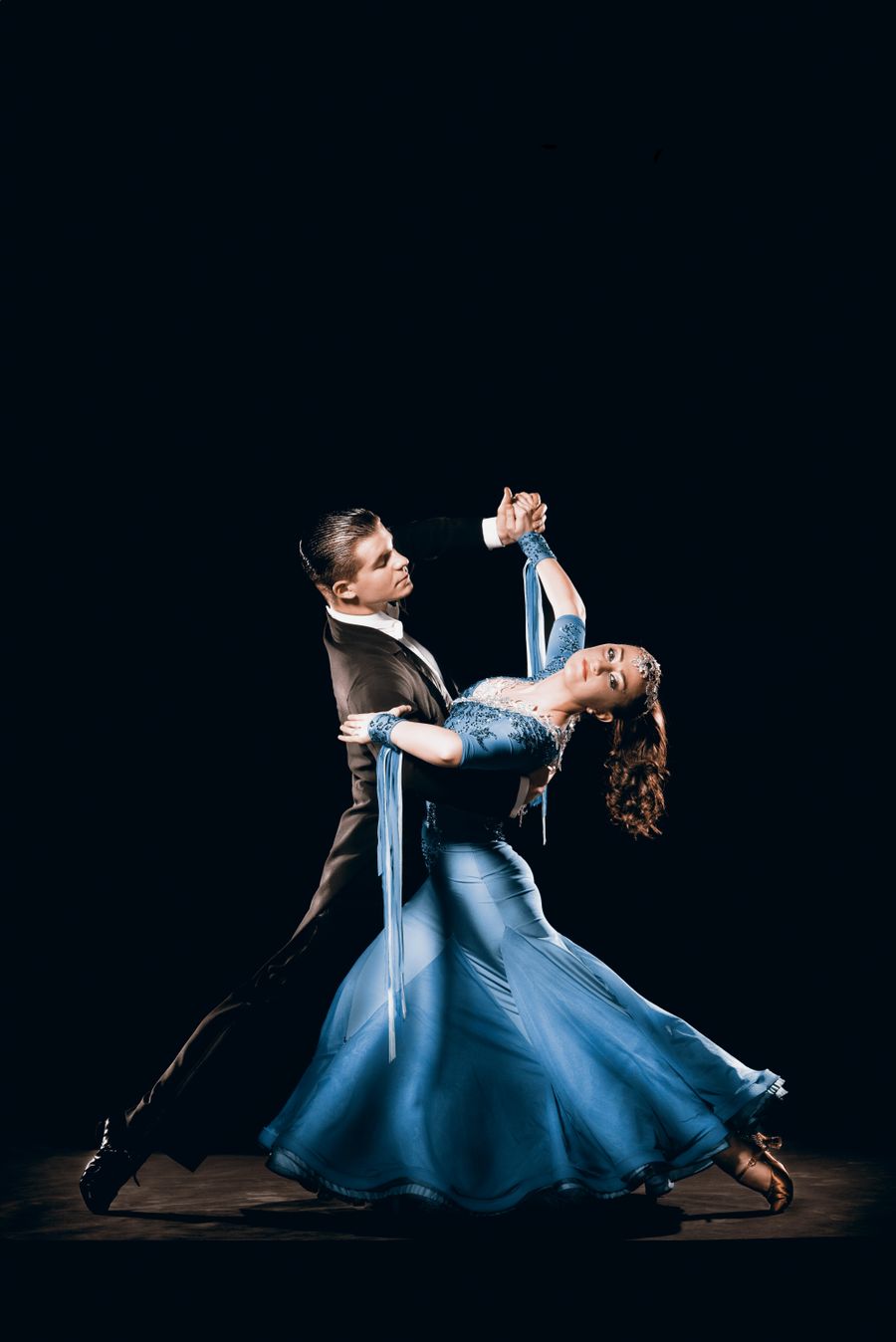 02
02Partner dancing covering the classic Ballroom repertoire, including Waltz, Quickstep, Foxtrot and Tango.
Waltz · Quickstep · Foxtrot · Tango03A related Ballroom style danced in an open, Shadow-hold frame, progressing through the same Bronze-to-Supreme award structure.
Shadow hold · Waltz · Foxtrot · Tango04Rhythmic partner dancing spanning Cha Cha Cha, Rumba, Samba, Jive and Paso Doble.
Cha Cha · Rumba · Samba · Jive · Paso Doble05Set partner dances with roots in the Ballroom tradition, combining recognised sequences with refined timing and presentation.
Partner work · Set sequences · Technique06Sequence dancing in a more classical style, examined from first grades through to professional teaching level.
Partner work · Set sequences · Technique07Popular Latin social dance built around lively rhythms and confident partner work, from a first One Dance award to professional level.
Latin rhythm · Partner dance · Social dance 08
08Social and performance dance inspired by Country & Western music, including line-dance based movement and routines.
Line dance · Rhythm · Social dance09A lively partner style inspired by 1950s Rock & Roll, characterised by rhythmic footwork, kicks, flicks and partner work.
Kicks · Flicks · Partner work10A rhythmic dance form in which metal taps on the shoes turn footwork into percussion, examined from first grades through to professional teaching level.
Rhythm · Musicality · Footwork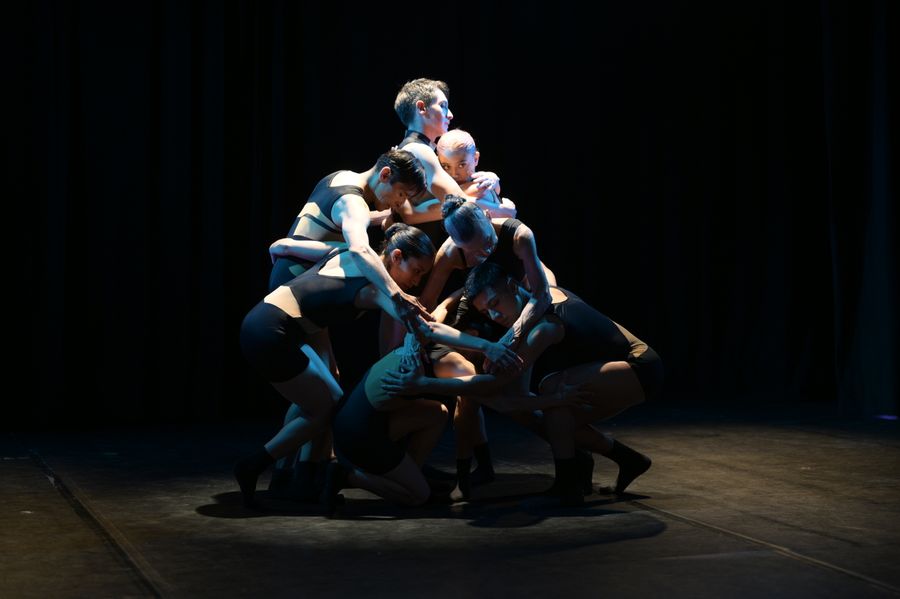 11
11A versatile theatre style shaped by Jazz technique and performance, with an emphasis on musicality, movement quality and stage presence.
Jazz · Theatre · Performance12A stage-focused discipline bringing together dance, acting and singing in the tradition of musical theatre.
Dance · Drama · Singing · Stagecraft13Performance study focused on vocal development, speech, interpretation and acting technique.
Voice · Speech · Acting14Expressive, floor-based movement drawing on release technique, contraction and fall-and-recovery.
Expression · Floorwork · Musicality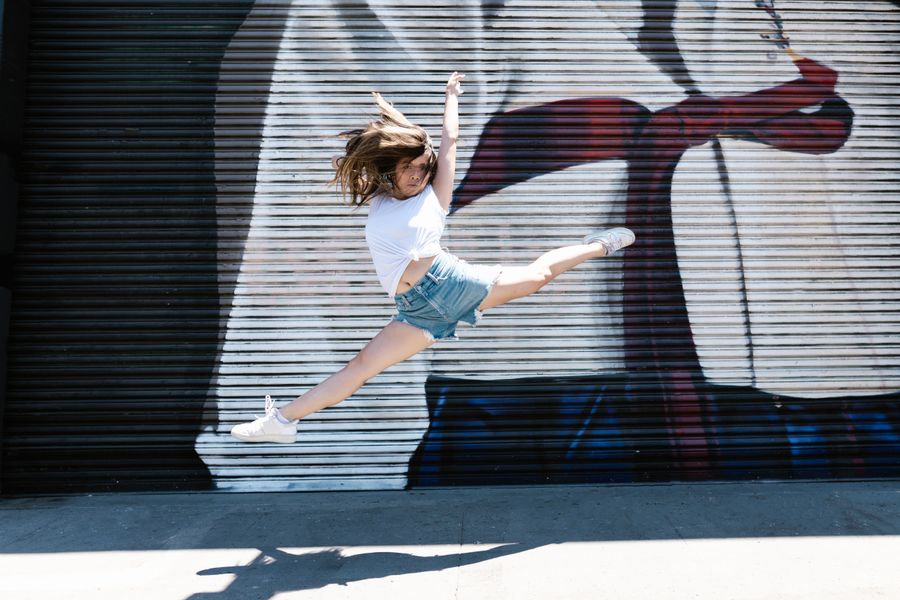 15
15A fast, expressive style that has evolved alongside popular music, combining energetic movement with contemporary performance.
Speed · Expression · Contemporary music16A broad family of street-rooted dance styles including popping, locking and other expressive urban movement forms.
Popping · Locking · Urban styles17An energetic performance style combining sharp arm positions, jumps, tricks and choreography inspired by competitive cheer.
Energy · Precision · Teamwork18Dance combined with acrobatic skills such as balances, walkovers and tumbling, always coached to the required insurance and training standards.
Balance · Flexibility · TumblingNCDTA qualifications provide structure from a dancer's first award through to professional teaching qualifications. Examinations are available across a wide range of disciplines.
Understand examinations & awards →Learn with an NCDTA teacher and build confidence through a structured syllabus appropriate to your age, level and goals.
Amateur examinations and awards provide recognised milestones, helping dancers measure progress and celebrate achievement.
Those wishing to teach can progress into professional examinations, including Associate and Licentiate qualifications.
Members can continue developing through CPD, competitions, scholarships, events, resources and the wider NCDTA community.

Amateur examinations support dancer progression, while professional examinations provide routes into teaching. NCDTA also supports flexible examination formats including in-person, online and video assessment.
Find the right discipline today. Our full school finder will follow as part of the connected NCDTA platform.